

In today's hyper-competitive landscape, businesses are realizing that is more than just a storage facility for data; it is the heartbeat of organizational intelligence. For years, Enterprise Resource Planning (ERP) systems were viewed primarily as transactional engines—tools to process invoices, track inventory, and manage payroll. However, the true value of a modern ERP solution lies not in what it stores, but in what it reveals.
From Data Silos to a Single Source of Truth
The greatest challenge facing modern enterprise operations management is the "data silo." When marketing uses one tool, sales uses another, and finance operates on spreadsheets, the resulting "truth" is often fractured and contradictory. Modern ERP systems solve this by consolidating disparate data streams into a unified repository.
When reporting is centralized, leadership can stop debating whose numbers are correct and start discussing what those numbers mean for the future of the company. This shift from reactive reporting to proactive analytics is what separates market leaders from those struggling to keep up.
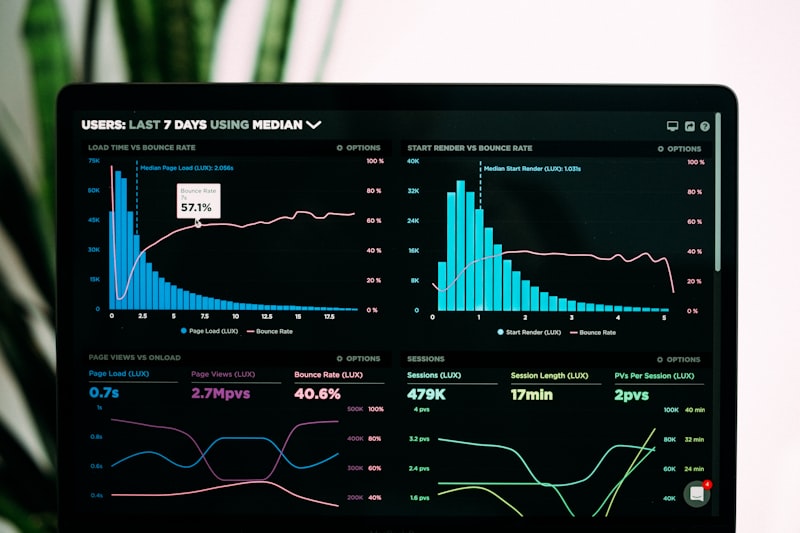
The Pillars of Modern ERP Analytics
To truly leverage an ERP, business leaders must understand the different tiers of reporting and analytics available within a comprehensive business software suite.
1. Operational Reporting
This is the "ground level" of ERP data. It includes real-time status updates on stock levels, daily sales figures, and production schedules. Effective operational reporting ensures that the day-to-day engine of the business is running smoothly. For instance, an automated alert regarding low inventory can trigger a purchase order before a stockout occurs, preserving customer satisfaction.
2. Strategic Dashboards and KPIs
Strategic analytics look at the "big picture." Key Performance Indicators (KPIs) like Customer Acquisition Cost (CAC), Gross Profit Margin, and Inventory Turnover Ratio are visualized through intuitive dashboards. These visual tools allow executives to identify trends over time and pivot strategies before small issues become systemic failures.
3. Predictive Analytics
The cutting edge of ERP technology involves using historical data to forecast future outcomes. By applying machine learning algorithms to past sales cycles, businesses can predict demand spikes with surprising accuracy. This foresight allows for optimized labor scheduling and more efficient supply chain management.
Best Practices for ERP Reporting
Implementing a powerful analytics suite is only half the battle. To derive real value, organizations should follow these best practices:
- Prioritize Data Hygiene: Analytics are only as good as the data being fed into the system. Standardize data entry protocols across all departments to ensure consistency.
- Focus on Relevant Metrics: It is easy to get lost in "vanity metrics." Focus on the 5-10 KPIs that directly impact your bottom line and operational efficiency.
- Enable Role-Based Access: A warehouse manager needs different insights than a CFO. Customize dashboards so every employee sees the data most relevant to their specific goals.
- Embrace Mobility: Modern business happens everywhere. Ensure your ERP reporting is accessible via mobile devices, allowing for decision-making on the go.
For more insights on optimizing your business processes, you might find this guide on Enterprise Operations Management particularly helpful.

Real-World Application: The Impact of Integrated Insights
Consider a manufacturing firm struggling with fluctuating raw material costs. Without integrated ERP analytics, they might not realize that a specific supplier’s late deliveries are causing production bottlenecks, leading to overtime costs that erode profit margins.
By utilizing cross-functional reporting, the ERP links procurement data with production schedules and payroll records. The system can automatically flag that the "low-cost" supplier is actually the most expensive when factoring in the resulting inefficiencies. This is the power of a modern business software ecosystem: it connects the dots that are invisible to the naked eye.
The Future of ERP Intelligence
As we move deeper into the era of Artificial Intelligence, the relationship between ERP systems and reporting will only deepen. We are moving toward a world of "prescriptive analytics," where the system doesn't just tell you what happened or what will happen, but actually suggests the best course of action to take.
Whether you are a small business looking to scale or a large enterprise seeking to optimize, your ERP’s reporting capabilities are your most valuable asset. Investing in the right tools and culture today will pay dividends in clarity and competitive advantage tomorrow.
Ready to Transform Your Business Data into Growth?
If you are ready to move beyond basic spreadsheets and unlock the full potential of your business operations, it’s time to explore a solution designed for the modern era. Our comprehensive ERP system provides the real-time insights and advanced analytics you need to lead with confidence.
Discover what our system can do for you:
- Visit us at: https://basa.pindah.org or https://basa.pindah.co.zw
- Contact our expert team: +263714856897
- Email us for a consultation: admin@pindah.org
Take the first step toward data-driven excellence today.