

In the high-stakes world of modern commerce, financial accounting is often viewed as the "scoreboard" of an enterprise. However, for the savvy business leader, it is far more than a historical record of wins and losses. It is the sophisticated engine room where data is transformed into strategy. When coupled with robust transaction management, financial accounting becomes a predictive tool that can steer a company through turbulent markets and toward sustainable growth.
As organizations scale, the complexity of managing thousands of micro-interactions—from vendor payments to customer subscriptions—demands more than just a talented CPA. It requires a seamless integration of enterprise operations management systems and cutting-edge software solutions.
The Evolution from Ledger to Real-Time Intelligence
Traditionally, financial accounting was a reactive discipline. Accountants would gather receipts, reconcile bank statements, and produce reports weeks after the fiscal period ended. In the digital age, this "rear-view mirror" approach is no longer sufficient.
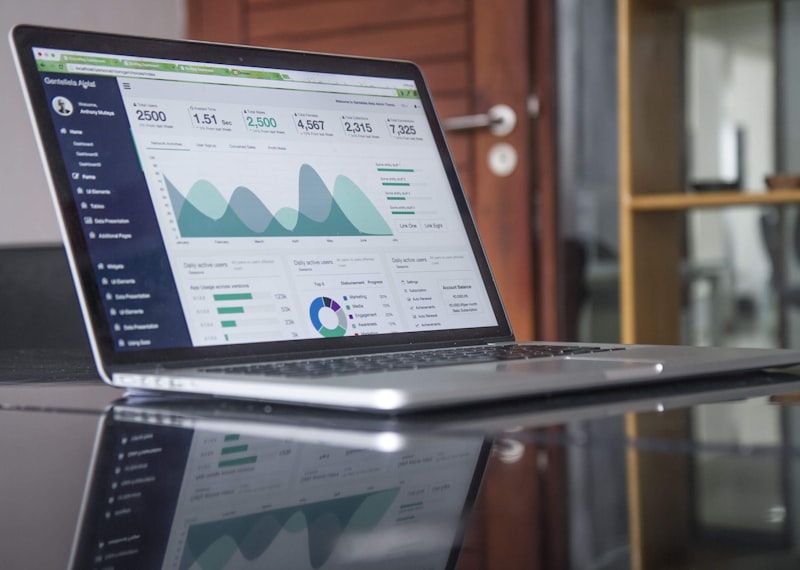
Modern Enterprise Resource Planning (ERP) solutions have revolutionized this landscape by centralizing data. When a sale is made on the front end, the transaction management system immediately triggers updates across the general ledger, inventory records, and tax obligations. This real-time visibility allows executives to make decisions based on what is happening now, rather than what happened last month.
Why Transaction Management is the Backbone of Operations
If financial accounting is the "what," transaction management is the "how." It involves the systematic oversight of every exchange of value within the business. Effective transaction management ensures three critical components:
1. Data Integrity: Automated systems reduce the human error inherent in manual data entry.
2. Audit Readiness: A digital paper trail ensures that every cent is accounted for, making compliance with standards like IFRS or GAAP seamless.
3. Liquidity Control: By monitoring accounts receivable and payable in real-time, businesses can optimize their cash flow and avoid liquidity traps.
Practical Insight: The Power of Integration
Many businesses suffer from "software silos," where the sales team uses one tool, the warehouse uses another, and the finance team uses a third. This fragmentation leads to "data friction." By adopting an integrated ERP approach, you ensure that transaction management is a unified process. For instance, when a purchase order is approved in the operations module, it should automatically appear as a liability in the accounting module without manual intervention.
Best Practices for Modern Financial Management
To stay competitive, business leaders should focus on these core pillars of modern financial operations:
- Automate Routine Processes: Automating accounts payable and receivable can reduce processing costs by up to 60%. It frees your finance team to focus on high-value analysis rather than data entry.
- Implement Multi-Dimensional Reporting: Move beyond simple profit and loss statements. Use your ERP to track profitability by project, department, or even individual customer.
- Prioritize Security: Financial transactions are prime targets for cybercrime. Ensure your software uses end-to-end encryption and multi-factor authentication.
- Focus on Scalability: Choose systems that can handle increased transaction volumes as your business grows. Cloud-based solutions are particularly effective here, offering flexibility without massive hardware investments.
The Human Element in a Digital World
While software provides the infrastructure, the human element remains vital. Financial accounting is ultimately about interpretation. A robust system can tell you that your margins are shrinking, but it takes an insightful manager to look at the transaction history and realize that a specific supply chain bottleneck is the culprit.
For those interested in the technical nuances of how these systems are built, exploring resources on Information Systems Audit and Control can provide deeper technical insights into maintaining system integrity.
Conclusion: Turning Data into a Competitive Edge
Financial accounting and transaction management are not just administrative necessities; they are the bedrock of business intelligence. In an era where data is the new oil, your ability to capture, process, and analyze financial transactions determines your agility in the marketplace. By leveraging modern ERP solutions and adhering to rigorous transaction management protocols, you transform your finance department from a cost center into a strategic powerhouse.
Take the Next Step in Your Business Evolution
Are you ready to streamline your operations and gain unparalleled clarity into your financial health? Our cutting-edge systems are designed to simplify complexity and empower your growth.
Discover how we can transform your business:
- Visit our platform: https://basa.pindah.org or https://basa.pindah.co.zw
- Get in touch: Call us at +263714856897
- Email us: admin@pindah.org
Empower your enterprise with the tools it deserves. Let's build the future of your business together.