

In the modern corporate landscape, the difference between a high-performing enterprise and a struggling one often boils down to a single factor: visibility. While most business leaders understand the importance of strategy, the actual execution of that strategy frequently gets lost in a labyrinth of emails, fragmented spreadsheets, and disconnected messaging apps. This is where the convergence of Project Management (PM) and Enterprise Operations Management (EOM) systems becomes the ultimate game-changer.
To truly scale, a business must move beyond simple "to-do lists" and embrace a philosophy where every task is a data point within a larger ERP (Enterprise Resource Planning) ecosystem.
The Evolution from Checklists to Operational Ecosystems
Historically, project management was treated as a separate discipline—something relegated to a specific department or a standalone software tool. However, as organizations grow, these "information silos" create friction. When your project data doesn't talk to your financial data, or your task tracking isn't linked to your human resource allocation, you are flying blind.
Modern business software has evolved. We are no longer just looking at "when" a task is finished, but "how" that task affects the bottom line. This is the core of an integrated ERP approach: ensuring that every minute spent on a task is accounted for in the broader context of operational efficiency and resource optimization.
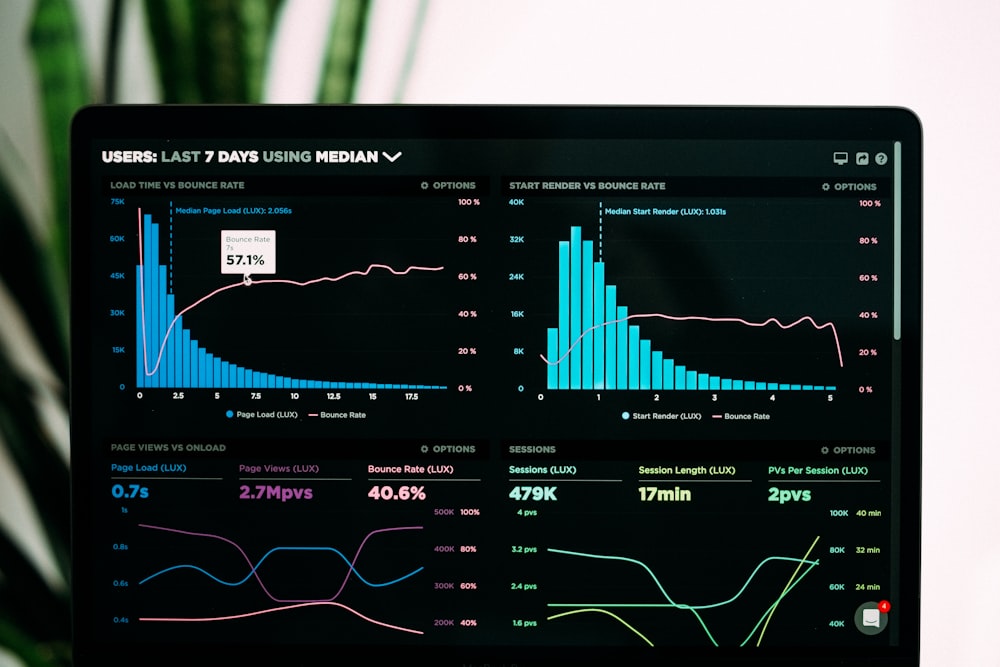
Why Real-Time Visibility is Non-Negotiable
In a fast-paced market, "yesterday's report" is already obsolete. Real-time task tracking allows executives to identify bottlenecks before they become crises. If a critical milestone in a construction project or a software sprint is lagging, an integrated system can automatically trigger alerts, reallocate resources, or adjust budget forecasts.
Key Benefits of Integrated Task Tracking:
- Reduced "Work About Work": Studies show that employees spend nearly 60% of their time on coordination rather than the skilled work they were hired for. Integrated systems automate this coordination.
- Enhanced Accountability: When tasks are logged within a centralized operations system, ownership is clear. There is no ambiguity about who is responsible for what.
- Data-Driven Insights: By analyzing historical task data, businesses can predict future project timelines with uncanny accuracy, leading to better client expectations and higher satisfaction.
For more on how to structure your team for maximum efficiency, check out the Project Management Institute’s guide on organizational agility.
Best Practices for High-Performance Task Management
Transitioning to a robust enterprise operations system requires more than just new software; it requires a shift in culture. Here are three best practices to ensure success:
1. Granularity without Micromanagement
Break large projects into "micro-tasks," but ensure the software handles the tracking. The goal is to see the progress of the whole by monitoring the health of the parts, without stifling the creativity or autonomy of your team.
2. Connect Tasks to Financials
Every task has a cost. By using an ERP-linked solution, you can see the real-time burn rate of a project. This allows for "Continuous Accounting," where the financial health of the company is updated as work is completed, rather than waiting for month-end reconciliations.
3. Automate the Mundane
Leverage workflow automation. If Task A is completed, the system should automatically notify the stakeholder for Task B. This eliminates the "waiting period" that often plagues traditional business processes.

The Transition to Enterprise Operations Management (EOM)
Many businesses start with simple tools like Trello or Asana. While excellent for small teams, these tools often lack the "enterprise" layer—the ability to handle complex dependencies, multi-currency budgeting, and cross-departmental resource leveling.
Moving to a comprehensive EOM solution allows you to bridge the gap between Project Management and Business Management. It turns your operations into a well-oiled machine where data flows seamlessly from the front-line worker to the C-suite. You might find the principles of the Agile Manifesto helpful in understanding how to keep these complex systems flexible and human-centric.
Conclusion: Turning Strategy into Reality
Project management is no longer just about meeting deadlines; it is about maximizing the value of every hour worked. By integrating task tracking into your broader enterprise operations, you gain the clarity needed to make bold moves, the efficiency to stay competitive, and the data to grow sustainably.
Don't let your business potential get trapped in a spreadsheet. It is time to embrace a system that scales with your ambition and provides a single source of truth for your entire organization.
Ready to Optimize Your Operations?
If you are looking to elevate your business management with a powerful, integrated solution tailored for growth, we are here to help. Discover how our enterprise operations management system can transform your productivity.
- Explore our system: https://basa.pindah.org or https://basa.pindah.co.zw
- Direct Inquiry: Call us at +263714856897
- Email Support: admin@pindah.org
Take control of your tasks, empower your team, and lead your business into the future.