

Efficiency isn't just a buzzword; it is the cornerstone of sustainability, and identifying the right digital infrastructure can be the difference between a project's triumph or its quiet demise. In the modern corporate landscape, the sheer volume of moving parts—from resource allocation and departmental hand-offs to real-time budget tracking—can easily overwhelm traditional management styles. As businesses scale, the leap from simple to-do lists to robust Enterprise Operations Management Systems (EOMS) becomes a necessity rather than a luxury.
Beyond the Spreadsheet: The Evolution of Task Tracking
For years, the humble spreadsheet was the king of project management. However, as organizations grow, these static documents become silos of outdated information. Modern business requires a dynamic environment where task tracking is integrated directly into the broader Enterprise Resource Planning (ERP) ecosystem.
When task tracking is isolated from finance, HR, and supply chain data, managers lose the "big picture." An integrated approach ensures that when a milestone is reached, the system automatically updates budget forecasts and triggers subsequent procurement requests. This level of automation is what separates a high-performing enterprise from one mired in administrative friction.

The Pillars of Effective Enterprise Project Management
To achieve operational excellence, business leaders must focus on three critical pillars:
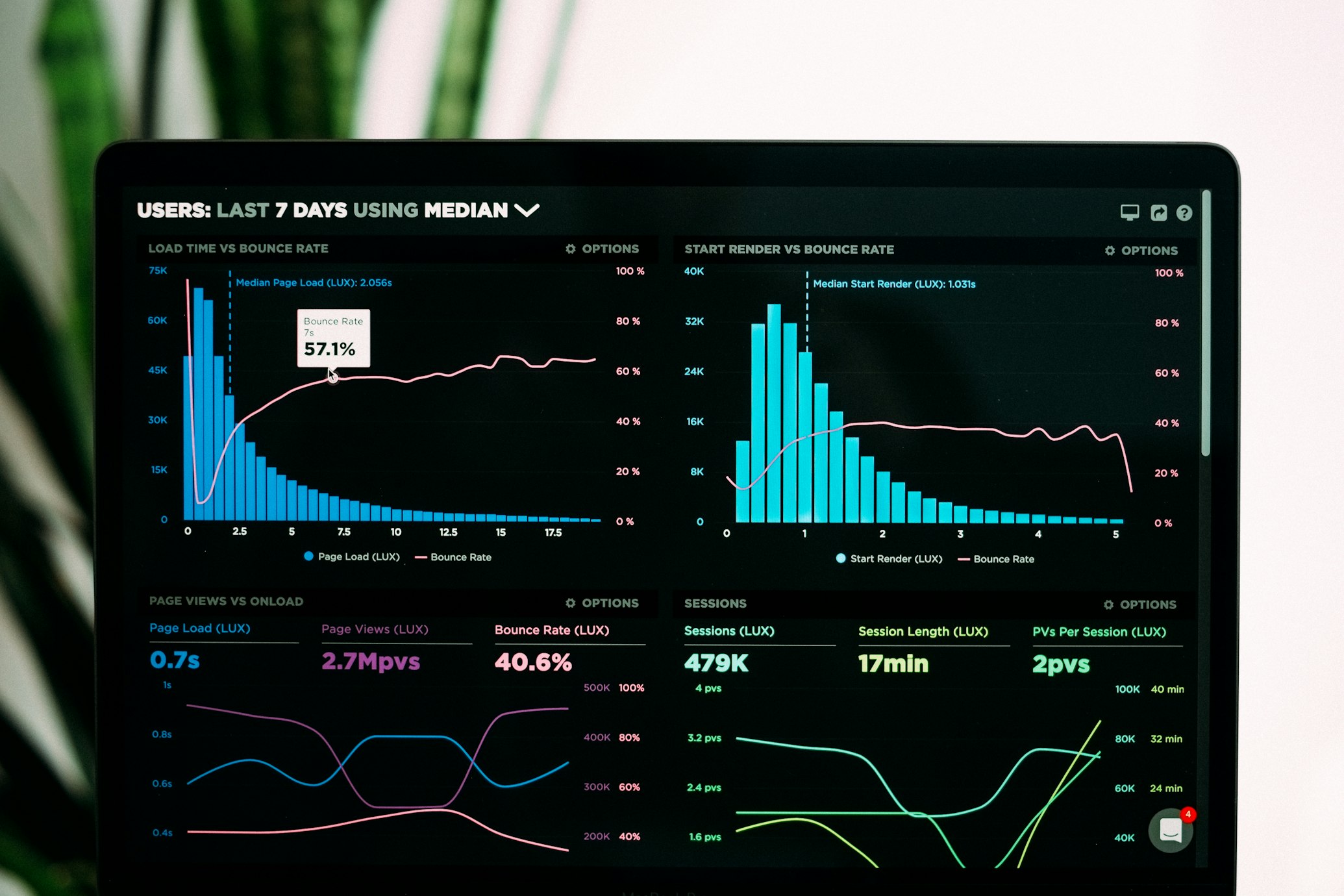
1. Granular Visibility: High-level dashboards are excellent for executives, but project leads need to see the "nitty-gritty." An effective system tracks tasks down to the minute, identifying bottlenecks before they become critical failures.
2. Resource Optimization: Are your most expensive assets—your people—working on the highest-priority tasks? Modern EOMS solutions provide heatmaps of employee bandwidth, ensuring that talent is neither wasted nor burned out.
3. Cross-Departmental Synergy: Projects rarely exist within a single department. Whether it's marketing collaborating with product development or sales syncing with legal, a unified platform ensures everyone is looking at the same "single source of truth."
Implementing Best Practices
To get the most out of your project management software, consider these industry-proven strategies:
- Adopt an Agile Mindset: Even in traditional industries, the Agile methodology allows for iterative improvements and faster response times to market changes.
- Automate Routine Status Updates: Stop wasting time in "status meetings." Use your software to provide real-time updates that stakeholders can access on demand.
- Centralize Documentation: Ensure that every task has its associated briefs, files, and communications attached directly to it. This eliminates the "search for the missing email" that plagues unproductive teams.
Real-World Application: From Chaos to Clarity
Imagine a manufacturing firm transitioning from manual tracking to an integrated ERP-based task system. Previously, the production line might stall because a specific component hadn't been ordered—a detail buried in an unread email.
With a modern operations management system, the "Order Component" task is automatically generated the moment a project reaches the design phase. If the task isn't completed by a specific deadline, the system triggers an escalation. This proactive management style shifts the company from a reactive posture to a predictive one.
The Role of Modern Software in Zimbabwe and Beyond
In emerging markets and rapidly growing economies, the need for cost-effective yet powerful business tools is paramount. Local businesses are increasingly looking toward solutions that offer the robustness of global ERPs but with the agility of modern SaaS platforms. According to recent insights on Digital Transformation in Africa, companies that adopt digital project management tools see a 20-30% increase in productivity within the first year.
Key Takeaways for Decision Makers
- Integration is Key: Don't settle for standalone apps that don't talk to your accounting or HR software.
- User Adoption Matters: The best system in the world is useless if your team finds it too complex. Prioritize intuitive interfaces.
- Data-Driven Decisions: Use the reporting features of your EOMS to identify long-term trends, not just daily tasks.
Conclusion: Future-Proofing Your Operations
The transition to sophisticated project management and task tracking is not just about technology; it’s about a cultural shift toward transparency and accountability. By embracing enterprise-grade solutions, you empower your team to focus on what they do best—innovating and growing the business—while the system handles the logistical heavy lifting.
If you are looking to streamline your business operations, eliminate inefficiencies, and gain total control over your project lifecycles, it is time to look at a system designed for the modern enterprise.
Ready to transform your business operations? Discover how our specialized tools can revolutionize your workflow. Visit us at https://basa.pindah.org or https://basa.pindah.co.zw to learn more about our Enterprise Operations Management solutions. For a personalized consultation, contact our team directly at +263714856897 or email us at admin@pindah.org. Let’s build a more efficient future together.