

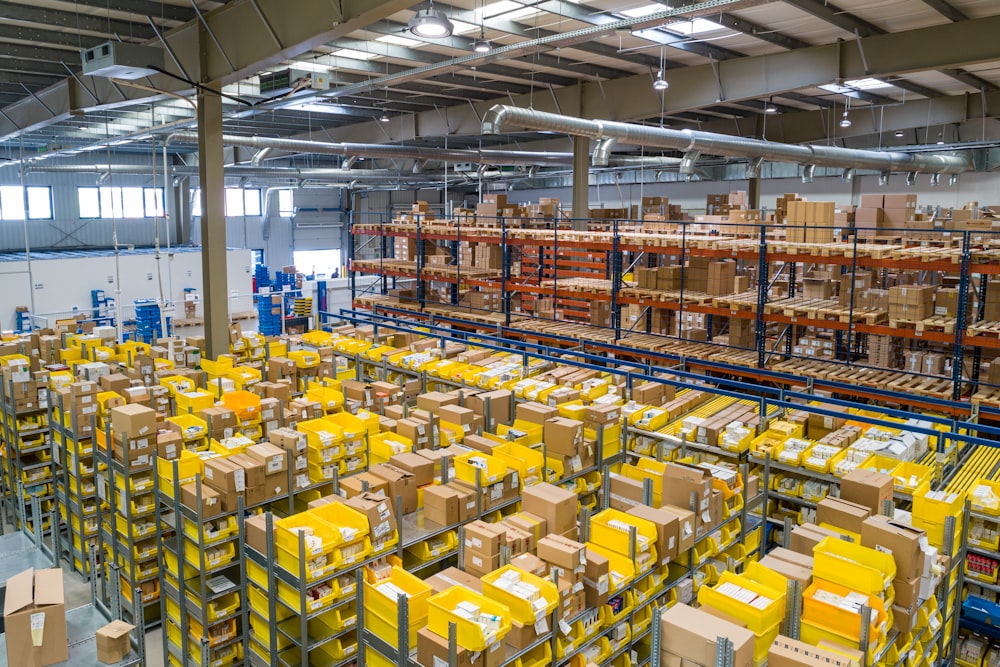
Imagine walking into your warehouse and, instead of seeing a sea of identical brown boxes, you see a perfectly organized digital map. Every item has a pulse, a history, and a location. No more "I think it’s in Aisle 4," and no more frantic phone calls to the sales team about missing stock. This isn't a futuristic dream—it’s the magic of effective barcode and serial number management.
In the fast-paced world of business operations, speed and accuracy are the twin engines of growth. Whether you are running a bustling retail storefront or managing a complex manufacturing floor, understanding the "secret language" of your inventory is the first step toward scaling your operations.
The DNA of Your Inventory: Barcodes vs. Serial Numbers
To the uninitiated, they might just look like lines and numbers. But in the Pindah Stock Management Module, barcodes and serial numbers serve two very different—yet equally vital—purposes.
1. The Barcode: The "What Is It?"
Think of a barcode as the "Family Name." It identifies the product type. If you have 500 identical blue pens, they all share the same barcode (usually a UPC or EAN). When you scan a barcode at the Pindah POS Module, the system instantly knows the price, the category, and which tax rate to apply. It’s about efficiency and speed at the checkout or during a stock count.
2. The Serial Number: The "Who Is It?"
The serial number is the "First Name." It is unique to a single, specific unit. If you’re selling high-value items like smartphones, vehicles, or specialized medical equipment, you need to know exactly which unit was sold to which customer. Serial numbers allow the Pindah Quality Module to track warranty claims, recall specific batches, and manage maintenance schedules in the Assets Module.
Why "Scanning" Beats "Typing" Every Single Time
We’ve all been there: a tired employee types "889" instead of "899" into the system. Suddenly, your accounting reports are off, your stock levels are wrong, and your Pindah Accounting Module is flagging discrepancies that take hours to resolve.
By implementing a robust barcode system, you eliminate human error. Pindah utilizes the ZXing.Net library to generate and read codes seamlessly. When a shipment arrives, your team can use a handheld scanner (or even a smartphone) to process a StockReceipt. The data flows instantly into the system, updating your StockTransaction audit trail in real-time.
Practical Insights for Your Business:
- Consistency is King: Stick to a standard (like GS1) for your barcodes. This ensures compatibility if you ever decide to sell through third-party retailers or global marketplaces.
- Label Placement Matters: It sounds simple, but ensure labels are placed on flat surfaces and are easily accessible. A barcode that’s hidden under a flap of cardboard is a barcode that won't get scanned.
- Automate the "Low Stock" Stress: Within Pindah, you can set Reorder Level Alerts. When scanning out items at the POS drops your stock below a certain threshold, the system can automatically notify your procurement team.
Real-World Application: The Electronics Retailer
Let’s look at a practical example. "TechFlow Solutions" uses Pindah to manage their inventory of high-end laptops.
When a new shipment of 50 laptops arrives:
1. The warehouse manager scans the master barcode to acknowledge the receipt of the "Laptop - Model X" category.
2. The system then prompts for the 50 unique serial numbers.
3. One week later, a customer returns a laptop with a screen defect.
4. By scanning the serial number, TechFlow can instantly see the Supplier it came from, the exact date it was received, and which Employee processed the sale.
This level of granularity is what turns a "small business" into an "enterprise-grade operation." It transforms the Pindah Support Module from a simple ticket-taker into a powerful tool for quality control.
Integration: The Power of a Unified Platform
The true beauty of barcode management lies in its integration. Because Pindah uses a multi-tenant architecture, your barcode data is isolated and secure, yet accessible across all your departments.
- For HR & Payroll: Use barcodes on employee ID badges to track Attendance via the HR module.
- For Project Management: Label expensive equipment with asset tags. When a team lead takes a generator to a job site, a quick scan links that asset to the specific Project, ensuring it doesn't get "lost" between sites.
- For Manufacturing: Track a product through various ProductStages. As a item moves from "Assembly" to "Quality Control," a scan updates its status instantly on the Project Board.

Best Practices for Scaling Up
As your business grows, your "barcode strategy" needs to grow with it. Here are three quick tips:
1. Invest in Quality Labels: Don't use cheap thermal labels that fade in the sun or peel off in a damp warehouse. If the scanner can't read it, the system can't track it.
2. Train Your Team: Make sure everyone understands why they are scanning. When staff see how it makes their end-of-day stock counts faster, they’ll embrace the technology.
3. Regular Audits: Use the StockTransaction records in Pindah to perform "cycle counts." Pick a small section of your warehouse every week and scan everything to ensure the digital records match the physical reality.
Ready to Trace Your Path to Success?
Managing barcodes and serial numbers doesn't have to be a headache. With the right tools and a bit of strategy, it becomes the backbone of your business's efficiency. It provides the data you need to make informed decisions, reduce waste, and keep your customers happy.
Whether you're tracking a fleet of vehicles in the Assets Module or a single book in the Library Management System, Pindah provides the enterprise-grade infrastructure to keep you moving forward.
Take control of your operations today. Experience how a unified platform can transform your inventory management from a chore into a competitive advantage.
Visit us at https://basa.pindah.org or https://basa.pindah.co.zw to learn more. For a personalized demo or to speak with our consultants, contact us at +263714856897 or email admin@pindah.org.