
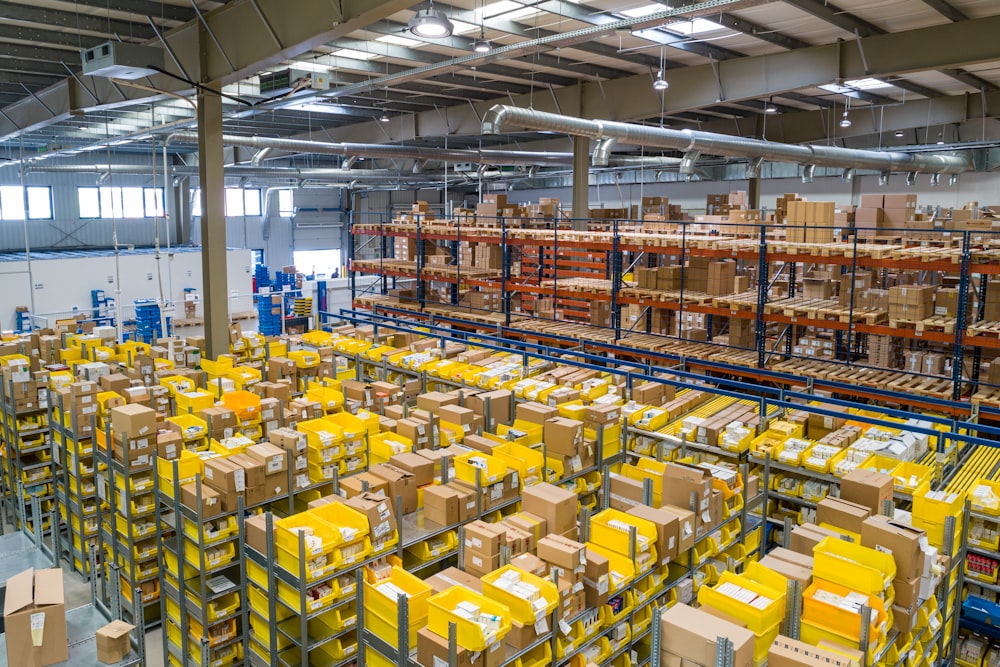
Have you ever walked into a warehouse and felt like you were stepping into a high-stakes game of "Where’s Waldo?" Except, instead of a guy in a striped shirt, you’re looking for a specific laptop with a defective motherboard, or a pallet of organic flour that expires in three days. Without a robust tracking system, inventory management isn't just a business process; it’s a source of high-octane stress.
Enter the dynamic duo of modern operations: Barcodes and Serial Numbers. While they might seem like simple lines and digits, they are the digital DNA of your business. In the Pindah System, these identifiers are the backbone of the Stock Management Module, turning "I think we have that" into "I know exactly where that is."
The Identity Crisis: Barcodes vs. Serial Numbers
Before we dive into the "how," let's clarify the "what." Many business owners use these terms interchangeably, but in a sophisticated ERP like Pindah, they serve distinct purposes.
The Barcode: The Family Surname
Think of a barcode (or SKU) as a category identifier. If you sell 500 identical blue pens, they all share the same barcode. When you scan it at the Point of Sale (POS) Module, the system knows a "Blue Pen" was sold and deducts one unit from your Stock levels. It’s all about speed and bulk accuracy.
The Serial Number: The Social Security Number
A serial number is unique to a single, specific unit. If you sell 500 laptops, each one has a unique serial number. This is crucial for the Assets Module or for tracking warranties. If a customer returns a device, you can check the StockTransaction history in Pindah to see exactly when that specific unit was received and who sold it.

Why Your Business Needs This "Scan-tastic" Approach
Implementing barcode and serial number management isn't just about looking "techy." It solves real-world operational headaches:
1. Eliminating the "Human Factor": Manual data entry is the arch-nemesis of accuracy. A tired employee typing "8" instead of "0" can throw your entire Accounting Module out of balance. Scanning a barcode takes less than a second and is 99.9% accurate.
2. Lightning-Fast Stocktakes: Remember the days of closing the shop for a weekend to count items manually? With Pindah’s mobile-friendly interface, you can perform cycle counts in hours, not days.
3. Bulletproof Traceability: In industries like manufacturing or food services, traceability is a legal requirement. If a batch of raw materials is flagged for quality issues, you can use Pindah's Quality Module to trace that specific serial or batch number back to the StockReceipt and identify every customer who bought it.
4. Theft Prevention: It’s much harder for items to "walk out the back door" when every single movement—from StockReceipt to Sale—is logged against a unique ID and a specific User.
Real-World Application: The Electronics Retailer
Imagine you run a high-end electronics store using Pindah. A customer walks in with a smartphone that won't turn on.
In a manual system, you’d be digging through paper files or messy spreadsheets to find the purchase date. In Pindah, you simply scan the serial number on the back of the phone. Within seconds, the system pulls up:
- The Supplier it was bought from.
- The StockReceipt date.
- The Customer who purchased it (linked via the CRM Module).
- The exact Sale transaction and whether it's still under warranty.
This isn't just efficiency; it’s professional customer service that builds brand loyalty.
Best Practices for Barcode Management
To get the most out of your Pindah System, follow these industry best practices:
- Standardize Early: Use international standards like EAN or UPC if you plan to retail globally. If you’re only tracking internal assets, Pindah allows you to generate custom internal barcodes.
- Strategic Placement: Ensure labels are placed in a consistent, easily accessible spot. There’s nothing worse than having to flip a 50kg crate over just to find the scan code.
- Invest in Hardware: While Pindah works beautifully with various inputs, a high-quality Bluetooth scanner can significantly speed up the workflow in high-volume environments like the Manufacturing Module.
- Integrate with Procurement: Don't wait until items are on the shelf to label them. Record serial numbers at the point of
StockReceiptin the Procurement Module. This ensures your data is "born digital."
How Pindah Makes it Easy
The Pindah platform is built on a multi-tenant architecture, meaning your data isolation and security are guaranteed. When you manage barcodes in Pindah, the system automatically tracks the CreatorId and OrganisationId, ensuring a complete audit trail of who touched what and when.
Whether you are managing a library with the Library Management System (LMS) or tracking heavy machinery in the Assets Module, our unified platform ensures that your "digital DNA" is consistent across all departments—from the warehouse floor to the Accounting office.
Ready to Stop Searching and Start Scanning?
Inventory shouldn't be a mystery. By mastering barcode and serial number management, you regain control over your assets, reduce costs, and provide a better experience for your team and customers.
Take control of your operations today.
To see these features in action and learn how Pindah can transform your business, visit our system at https://basa.pindah.org or https://basa.pindah.co.zw.
For a personalized demo or to chat with our experts, contact us at +263714856897 or email us at admin@pindah.org. Let’s build a more efficient future together!