

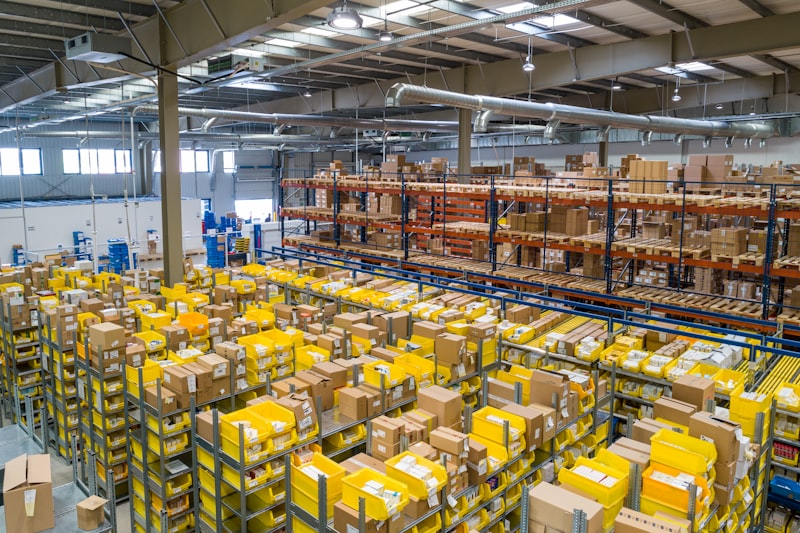
In the high-stakes world of modern business, "close enough" is a phrase that leads to expensive disasters. Imagine a customer returning a faulty high-end laptop, and your team can't tell if it was actually sold by you or a competitor. Or picture a warehouse manager spending three hours hunting for a specific batch of organic flour that’s nearing its expiry date.
This isn't just a logistical headache; it’s a leak in your "profit bucket." The solution? Transforming your inventory from a pile of "stuff" into a sophisticated, traceable digital ecosystem. Welcome to the world of Barcode and Serial Number management—the digital DNA of your operations.
The Magic of the "Beep"
At its core, a barcode is a shortcut. It’s a way to translate a physical object into digital data in less than a second. Within the Pindah Stock Management Module, the barcode acts as the primary key that connects your physical shelf to your digital ledger.
When you use the Pindah POS (Point of Sale) system, that satisfying "beep" at the checkout isn't just a sound; it’s a complex dance of data. The system recognizes the Product entity, adjusts the Stock levels in real-time, records the SaleItem, and updates the Accounting module—all before your customer has even pulled out their credit card.
Why Barcodes are Your Best Friend:
- Speed: Manual data entry is the enemy of efficiency. Scanning is 10x faster.
- Accuracy: Humans make mistakes every 300 keystrokes on average. Barcode scanners? Virtually zero.
- Real-Time Visibility: With Pindah’s multi-tenant architecture, a scan in a warehouse in Bulawayo is instantly visible to a manager in Harare.
Serial Numbers: Giving Every Item a Soul
While a barcode tells you what an item is (e.g., "This is a 13-inch MacBook Pro"), a serial number tells you who that specific item is. It is the individual identity card for every unit in your building.
In Pindah's Manufacturing and Asset Management modules, serial numbers are non-negotiable. If you are assembling heavy machinery or managing a fleet of vehicles, you need to know exactly which alternator went into which engine.
The Power of Traceability
If a component fails, serial number tracking allows you to perform a "surgical recall" instead of a "blanket recall." By looking at the StockTransaction audit trail in Pindah, you can trace a serial number back to its StockReceipt, identifying the specific Supplier and the date it arrived. This level of granular control is what separates professional enterprises from amateur operations.
Real-World Application: The Electronics Retailer
Let's look at a practical scenario. "TechHorizon," a fictional electronics chain using the Pindah Operations System, receives a shipment of 500 smartphones.
1. Receiving: Using the Procurement Module, the warehouse team scans the manufacturer's barcode to verify the Quotation.
2. Serialization: Each phone’s unique IMEI (International Mobile Equipment Identity) is scanned as a serial number into the Pindah system.
3. Internal Movement: As phones move from the central warehouse to various retail branches, the Location entity is updated with a quick scan.
4. The Sale: When a customer buys a phone, the serial number is linked to the Invoice.
5. After-Sales: Six months later, the customer returns with a screen issue. TechHorizon scans the serial number, instantly pulling up the sale date, warranty status, and original supplier via the Support & Issue Tracking Module.
Best Practices for Barcode Success
To get the most out of your Pindah system, follow these industry gold standards:
- Standardize Your Format: Whether you use EAN, UPC, or QR codes, stick to a standard. Pindah’s backend uses the
ZXing.Netlibrary to generate and handle various formats, giving you ultimate flexibility. - Invest in Quality Labels: A barcode that won't scan is just a series of ugly stripes. Use thermal printers for labels that don't fade.
- Scan at Every Touchpoint: Don't just scan at the start and end. Scan during transfers, audits, and even when moving items between shelves. This builds a robust
StockTransactionhistory. - Empower Your Team: Use Pindah’s granular permissions (
stock:inventory:edit) to ensure the right people are managing your digital DNA.
Beyond the Warehouse
Barcode management isn't just for retail. Our Library Management System (LMS) uses barcodes for LmsCheckout and resource tracking. The HR & Payroll Module can even utilize barcodes on employee ID cards for Attendance tracking, ensuring that clock-ins are accurate and fraud-proof.

Ready to Bring Order to the Chaos?
Managing inventory without barcodes and serial numbers is like trying to drive a car with a blindfold on—you might move, but you're going to crash. By leveraging the integrated power of Pindah’s multi-tenant operations platform, you gain the visibility, speed, and accuracy needed to scale your business with confidence.
Stop guessing where your stock is and start knowing.
Explore how Pindah can transform your operations today. Visit our platform at https://basa.pindah.org or https://basa.pindah.co.zw.
For a personalized demo or to discuss your specific business needs, reach out to our team at +263714856897 or drop us an email at admin@pindah.org. Let’s build a smarter, more efficient business together!