

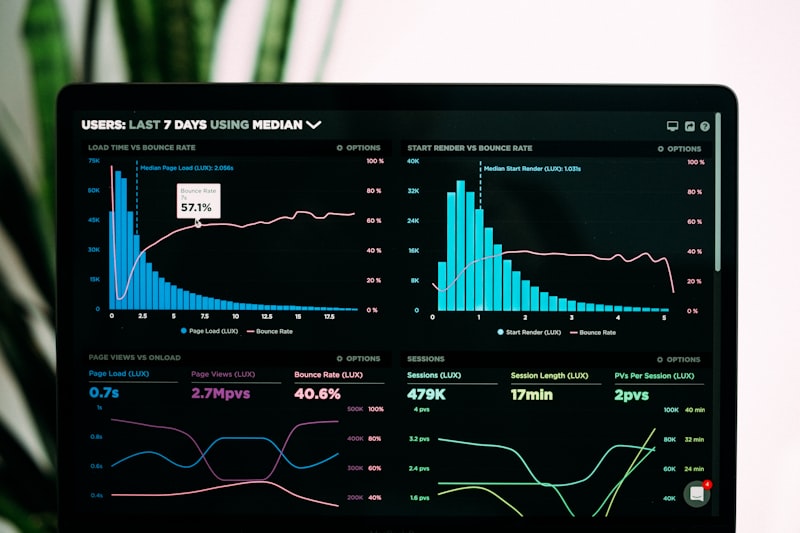
Navigating the complexities of modern commerce requires a clear lens into your financial data, as illustrated in this visualization of data-driven business growth. In the fast-paced world of global trade, financial accounting has evolved from a simple "back-office" recording function into a strategic engine that drives decision-making. No longer just a history of what was spent, modern financial management is about the real-time movement of value across every department, from procurement to the final sale.
The Circulatory System of Your Business
If cash flow is the lifeblood of a company, then transaction management is the circulatory system. Every time a purchase order is raised, an invoice is paid, or an inventory item is moved, a pulse is sent through the organization. In traditional setups, these pulses were often delayed, leading to "financial arrhythmia"—where managers make decisions based on data that is weeks or even months old.
Modern Enterprise Operations Management (EOM) systems have changed the game. By integrating financial accounting directly into daily operations, businesses can achieve a "single source of truth." This means that when a salesperson closes a deal in the CRM, the revenue is instantly projected in the financial module, and inventory levels are adjusted automatically.
The Power of ERP Solutions
Enterprise Resource Planning (ERP) solutions are the bedrock of sophisticated transaction management. These platforms break down silos between departments, ensuring that financial data is not just accurate, but contextual.
1. Automated Reconciliation: Modern software reduces human error by automatically matching bank statements with internal ledgers.
2. Multi-Dimensional Reporting: Instead of looking at a flat profit-and-loss statement, ERPs allow leaders to slice data by region, product line, or customer segment.
3. Regulatory Compliance: With built-in support for IFRS (International Financial Reporting Standards), businesses can scale globally without fearing the complexities of local tax laws or reporting mandates.
For a deeper dive into how digital transformation impacts these systems, you might find resources on Digital Transformation in Finance highly valuable.
Best Practices for Transaction Management
To stay competitive, business leaders must move beyond basic bookkeeping. Here are several best practices for implementing a robust financial accounting framework:
1. Real-Time Data Capture
The "batch processing" era is over. Transactions should be captured at the point of origin. Whether it’s a field technician's expense or a warehouse shipment, immediate data entry prevents the loss of information and provides a real-time view of liabilities and assets.
2. Rigorous Internal Controls
Modern business software allows for granular permission settings. Ensure that your transaction management workflow includes automated "checks and balances," such as requiring dual approval for payments over a certain threshold.
3. Embrace Cloud-Native Accounting
Cloud-based solutions provide the mobility and scalability that on-premise software lacks. They allow for seamless updates to tax codes and offer 24/7 access for remote teams, which is critical in today's hybrid work environment.
4. Leverage Predictive Analytics
Don't just look backward. Use your historical transaction data to forecast future trends. Modern ERPs can analyze seasonal fluctuations in cash flow, helping you prepare for lean periods or aggressive expansion phases.

Moving from Operations to Strategy
The ultimate goal of sophisticated transaction management is to free your finance team from mundane data entry so they can act as strategic advisors. When the software handles the "counting," your people can focus on the "why."
Why are costs rising in one specific factory? Why is the collection period for a certain client demographic lengthening? These are the questions that, when answered, lead to increased profitability and market dominance.
In the realm of modern business software, the bridge between operations and finance is no longer a rickety wooden structure; it is a high-speed digital highway. Companies that invest in robust enterprise systems find themselves more agile, more transparent, and ultimately more successful.
Elevate Your Business Operations
Understanding the nuances of financial accounting is just the first step toward total operational excellence. To truly master your transaction management and streamline your enterprise operations, you need a system designed for the complexities of the modern market.
Take control of your financial destiny today. Whether you are looking to implement a new ERP or optimize your existing transaction workflows, our team is here to guide you.
Explore our cutting-edge systems and solutions:
- Visit us at: https://basa.pindah.org or https://basa.pindah.co.zw
- Contact our specialists: +263714856897
- Email us for a consultation: admin@pindah.org